

I’m busy cutting my grass, working hard for my lawn to be the envy of all the neighbours. Then I glance over the fence and see my competitive neighbour with the latest mower — sleek, efficient, and gliding across a perfect lawn. He looks relaxed, confident. Not to be outdone, I head to the nearest garden centre to buy the same mower, and throw myself back into the task, delighted with my purchase, ready to get back to maintaining the best lawn on the street.
That evening, satisfied with my day’s work, I reflect on my productivity. Yes, I’ve been busy. Very busy. But did the new mower improve my lawn in the neighbourhood competition stakes? Did I really need it? Was this shiny new mower the answer to my lawn’s problems?
The point is this: innovation should solve problems or unlock value, not chase the latest trend. “Innovation for innovation’s sake” drains money, time, and employee morale.
The Innovation Imperative
Innovation is celebrated as the engine of modern business growth, but not all innovation is equal. Some is strategic and transformative, some is trend-chasing with no purpose.
Purposeful innovation drives results. The “Innovation theatre” of buzzwords, pilots, and vanity projects burn resources without creating impact.
Of course, the need to innovate is real, global competition and rapid change mean businesses must adapt or risk falling behind. Every good business leader know this. McKinsey surveyed 1,039 companies and found that the largest share of respondents identified the ability to innovate as one of the most important strategic factors for generating growth over the next 12 months. Executives expect innovation to be an essential component of meeting the almost constant productivity and capacity challenge.
Innovation Without Purpose
Yet, too many businesses fall into the trap of innovating just because they think they should. So, inevitably, a new tool appears, the buzz builds, and before long there’s pressure to jump in. But no one stops to ask the most important question of what problem are we actually solving?
When innovation isn’t linked to strategy, it quickly becomes expensive busy work. You burn time, you spend money, and in the end you’ve got very little to show for it.
The truth is, innovation only makes sense when it’s tied to clear goals. Do you want to improve customer experience? make your team’s jobs easier? Achieve a certain level of business growth? That’s when innovation stops being focused on using the latest shiny new thing and actually becomes useful.
There isn’t just one way to innovate. Sometimes you need to rethink everything and make big, disruptive changes. Sometimes it’s smaller tweaks to make a system or process run more smoothly and effectively. Sometimes it’s about rearranging what you already have to work in a smarter way. Not every innovation needs to be a revolution, but every innovation does need a purpose.
Culture and Employee Buy-In
Innovation isn’t just about leadership vision or technology spend. Without people, neither delivers results. Increasingly, organisations are realising that employees are not passive users of innovation, but essential partners in making it happen.
For innovation to succeed, there must be a clear strategy aligned with outcomes. Employees need to understand the journey, see how their contributions matter, and feel their importance. Deploying new tools has little value if people don’t understand the purpose or aren’t motivated to use them.
That’s where culture comes in. In a recent McKinsey article “When Building New Businesses, Culture Matters”, they report that a healthy culture can triple the total shareholder return (TSR) of a corporate venture, by aligning beliefs, leadership rituals, and symbolic behaviours.
A culture of innovation fosters experimentation, treats failure as part of learning, and encourages collaboration across teams. It’s about psychological safety, openness, and trust. By giving employees the confidence to try new ideas and the clarity to understand why those ideas matter, technology becomes an enabler of purposeful innovation rather than the end goal.
Innovation with Intent
With the advent of AI and the relentless pace of technological change, it’s easy to fall into the trap of chasing the latest tool, whether it’s the newest AI platform or, metaphorically, the shiny new lawnmower. Being busy does not always mean making progress. Technology on its own rarely delivers transformation.
Whatever the size of your business, it’s vital to pause and ensure innovation is tied to a clear strategy. That way, when you buy that shiny new lawnmower, it’s because it will help achieve a specific, measurable outcome. Sometimes innovation is small, maybe just a quick trim at the grass round the edges. Other times it’s radical, like ripping up the lawn and starting over. But when it’s aligned with purpose and strategy, your chances of success for the best lawn on the block, rise dramatically.
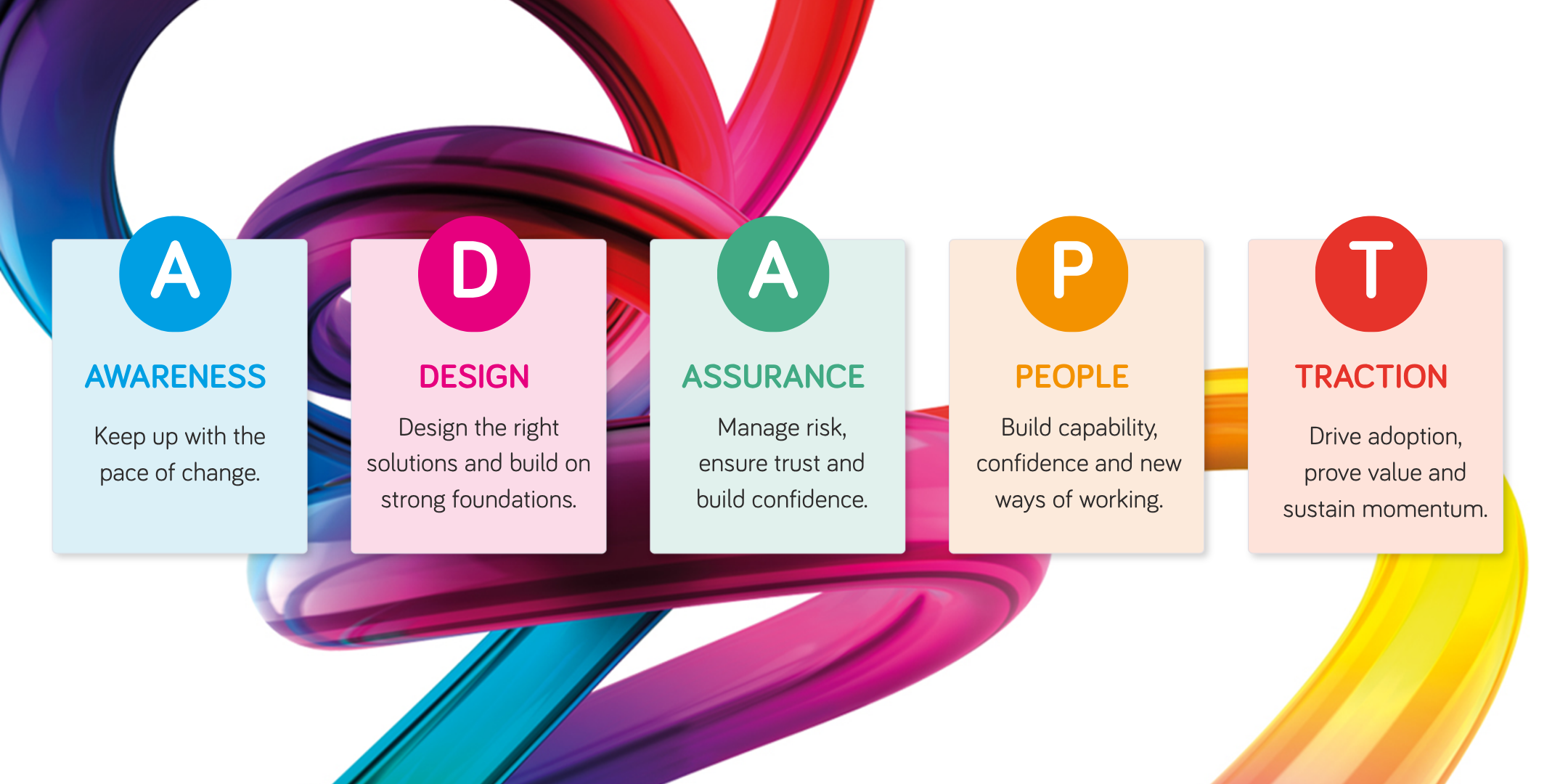
At Prosperity 24/7, we help organisations create strategies where innovation and technology work hand in hand, ensuring every investment, whether incremental or transformational, is meaningful, measurable, and designed to deliver lasting outcomes.
Remember!
• Tie it to strategy – solve real problems, not trends.
• Empower people – culture and buy-in make or break success.
• Pick the right approach – disruptive, incremental, or re-use.
• Ignore the hype – tech is a tool, not the goal.
• Measure it – track outcomes, not activity
This article first appeared in the Jersey Evening Post in October 2025