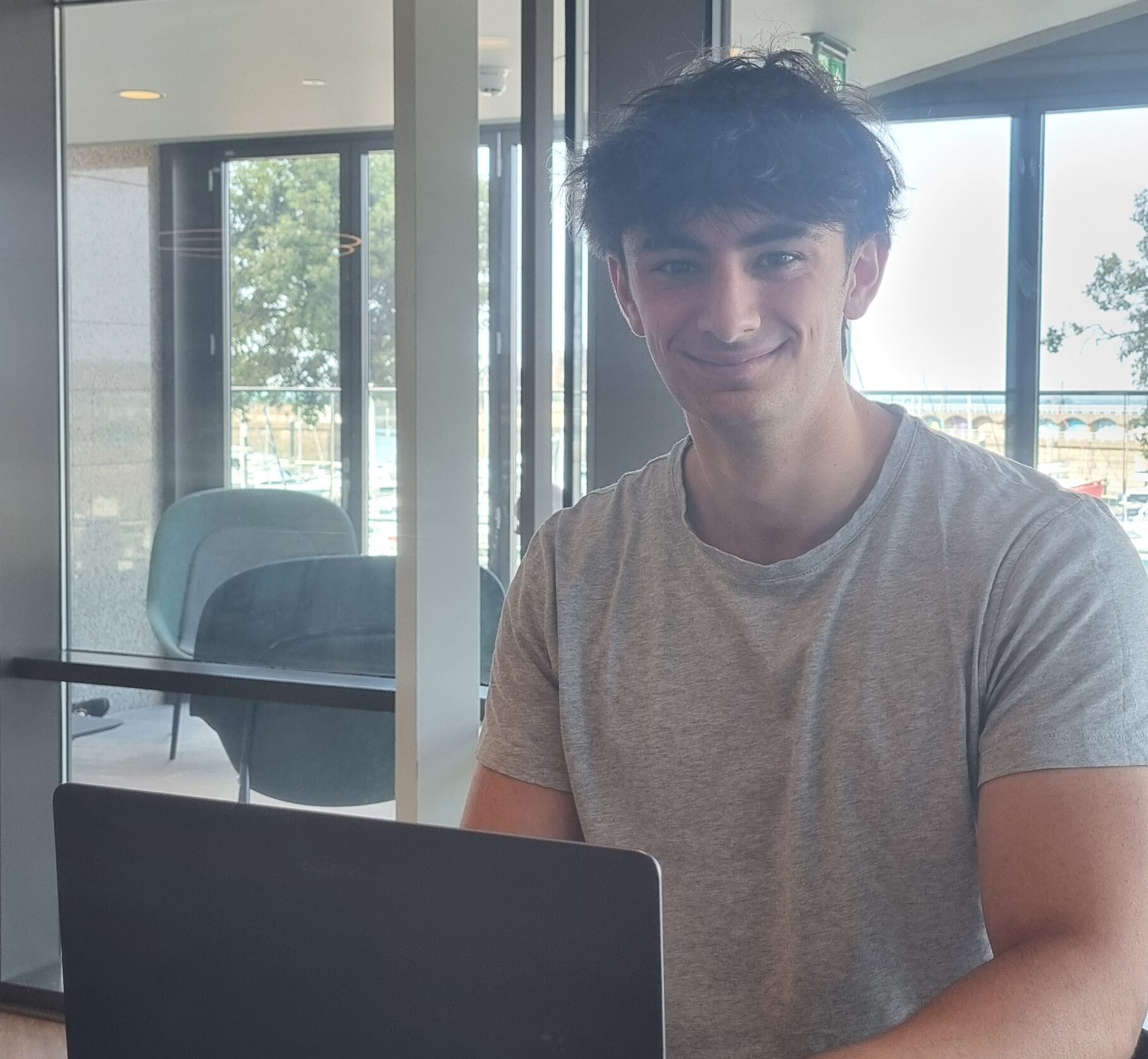

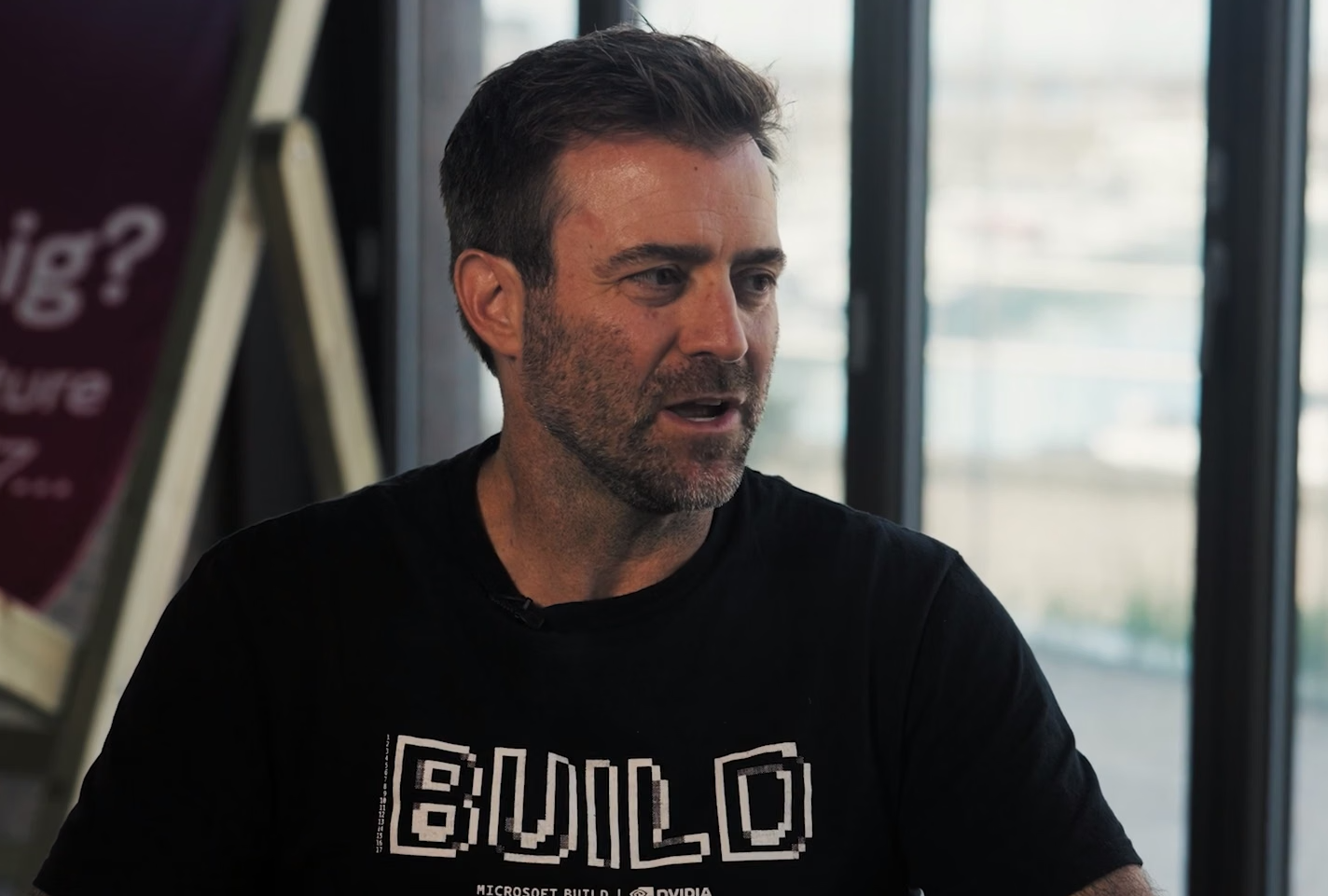
Microsoft Build 2026 placed artificial intelligence firmly at the centre of the developer conversation. Alex and Andrew discuss what the announcements mean from a developer’s perspective, from AI-assisted application creation and agentic tools to the continuing importance of governance, security and human expertise.
Microsoft Build is Microsoft’s annual event for developers and for the first time, this year’s event was less focused on traditional technical aspects of coding and development and more focused on how developers can use AI to build faster, work more efficiently and create value in new ways. While there are understandable concerns about the pace of AI change, developers will remain essential in shaping, controlling and governing how AI tools are used.
- Human oversight is critical to avoid low-quality AI output. AI can help people create more in less time, but without proper architecture, security, governance and developer input, organisations risk creating unreliable or poorly controlled solutions.
- Developers will play a central role in safe AI implementation. Their expertise is needed to ensure new tools are deployed responsibly, with the right safeguards in place to reduce security, compliance and operational risks.
- Vibe coding is changing how ideas are brought to life. One of the standout themes was the ability to create working prototypes quickly, giving clients something tangible to review earlier in the process.
- Prototyping is becoming more iterative and collaborative. Rather than moving straight from requirement gathering to a full build, AI-assisted development can support a more sculpted approach, where teams start broadly, gather feedback and refine the solution over time. Client conversations could become more visual and interactive. Rapid prototypes can help clients understand what is possible, test ideas sooner and provide more useful feedback before significant development effort is committed.
- User interfaces are likely to become more natural. Demonstrations involving gesture recognition and smart devices pointed towards a future where people may interact with technology through movement, voice and context, not just keyboards and screens.
- AI agents are moving beyond chat. The conversation reflected a wider shift from simple prompt-and-response tools towards more customised agents that can support specific business tasks and workflows.
- Autonomous agents still need clear direction. The discussion reinforced the importance of good inputs, strong prompts and developer guidance. If an agent is given poor instructions, it may still produce output, but that output may not be useful, secure or enterprise-ready.
- Enterprise readiness remains the differentiator. The most valuable AI solutions will be those that combine speed and experimentation with solid foundations, including governance, security, architecture and a clear understanding of the business problem being solved.
For organisations, the message is clear: AI can accelerate development, improve collaboration and make technology more accessible, but it does not remove the need for expertise. The opportunity lies in helping people use AI well, giving developers the tools and structure to guide it and ensuring every new solution is built securely, responsibly and with a clear purpose.
If your organisation is exploring how AI, agents or modern development tools could support your next stage of digital transformation, Prosperity 24/7 can help you move from curiosity to practical, measurable value. Get in touch to speak to our AI Solutions team about readiness, governance, use case development and building enterprise-ready solutions that work the way your people work.